


10 Abandoned Resorts from The Borscht Belt, America’s Jewish Vacationland in Catskills, New York
This lost mid-century resort destination is home to memories of a former respite from city life.


The Borscht Belt, located in the Catskills in New York, was once a major vacation destination from the 1920s to the 1960s. Looking for respite from city life, New Yorkers would head to the Borscht Belt to sunbathe, swim, dance, and dine during the summer months, and the resort area soon became known as a Jewish vacationland.
By the 1980s, however, the once-bustling region, home to numerous hotels, bungalows, tennis courts, and swimming pools, became desolate as New Yorkers began to favor different destinations. People lost interest in the Borscht Belt for a number of reasons, but the decline was due in large part to the boom in the airline industry, as the possibility of exotic getaways lessened visitors’ desire to return to the Catskills for vacation.
Despite the abandonment of the Borscht Belt resorts, this era has seen increased interest and preservation in recent years. A museum dedicated to the area opened in 2023, historical markers call attention to the region's past, and an annual festival celebrates the Borscht Belt's legacy every summer.
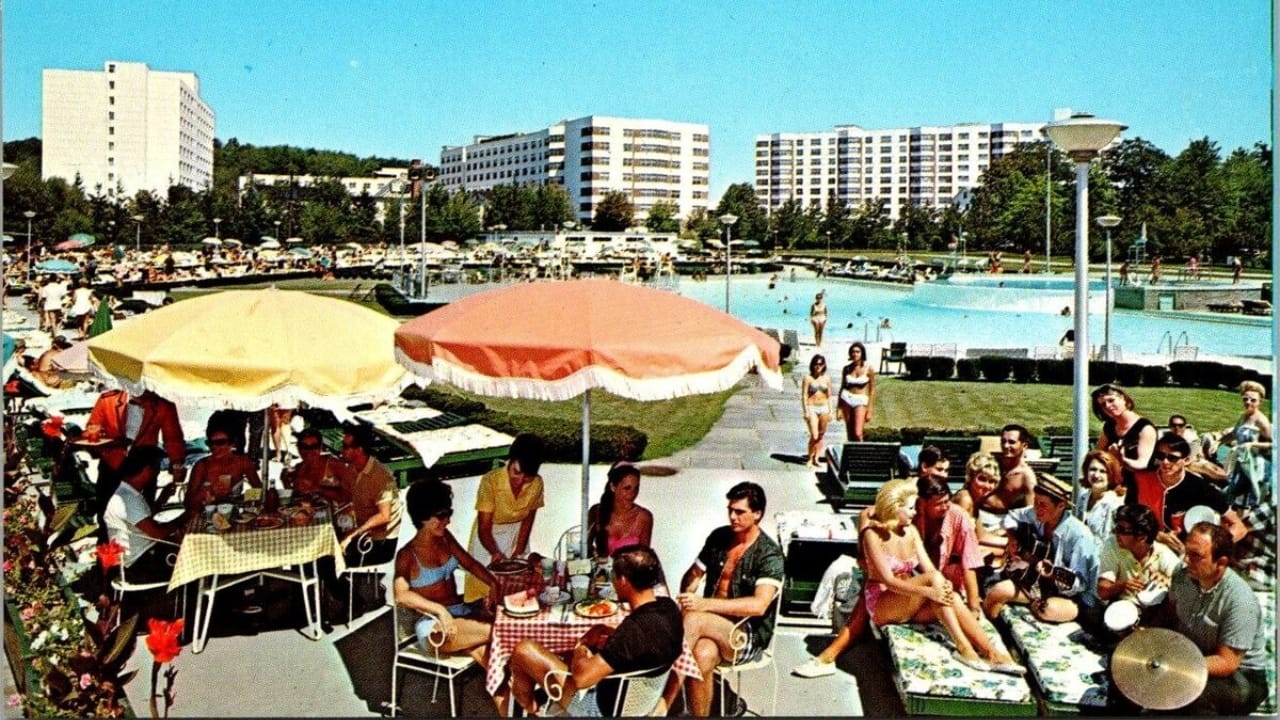
Borscht Belt Artifacts: Relics of the Catskill Resort Age
🗓️ Wednesday, August 19th at 6 pm
💻 Virtual
See souvenirs from New York's mid-century vacationland, collected by local historian Alex Prizgintas, and trace the history of this area from 19th century farmland to 20th century resort destination.
⭐ Free for members
Photographer Marisa Scheinfeld’s book The Borscht Belt: Revisiting the Remains of America’s Jewish Vacationland, takes a look at the remains of this lost vacation destination.
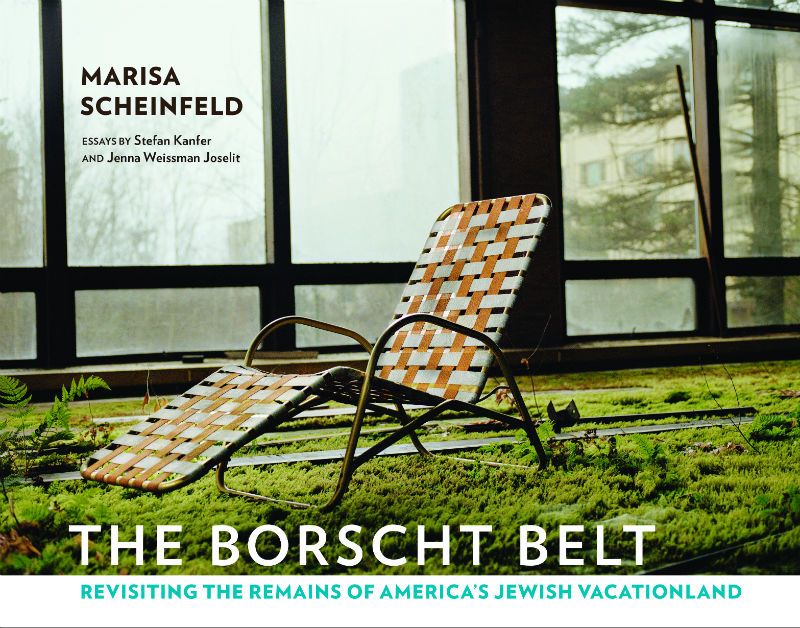
Noted also in this book is the resort area’s importance within American Jewish history. For many Jewish New Yorkers, the Borscht Belt served as a haven when they were banned from many of the city’s hotels in the 1920s. Here’s a look at 10 abandoned resorts from the Borscht Belt:
10. Grossinger’s Catskill Resort Hotel
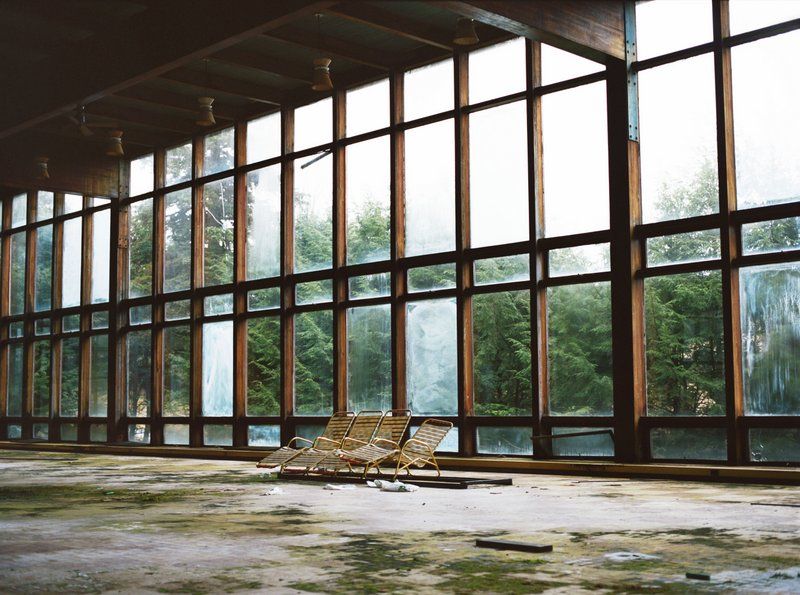
Grossinger’s Catskills Resort Hotel's claim to fame is being the inspiration for the setting of the 1987 film Dirty Dancing, whose fictional locale “Kellerman’s” was based on a former resort. However, the film’s success couldn't bring tourists to the real life location. The resort closed its doors in 1986, a year before the film’s release.
The Grossingers were Austrian immigrants who opened a farmhouse in 1914 and quickly gained a reputation for their cooking and hospitality. They then purchased the land for what would become Grossinger’s, a resort that thrived thanks to the leadership of the couple’s daughter, Jennie. Grossinger’s soon flourished into a grand destination so large it had its own airstrip and zip code, with arenas for tennis, ice skating, and skiing (it was the first resort to use artificial snow in 1952).
Frequented by athletes, entertainers, and wealthy businesses, this resort fittingly adopted the slogan “Grossinger’s Has Everything for the Kind of Person Who Likes to Come to Grossinger’s.”
After laying dormant for forty years, the site is poised for redevelopment. Florida-based real estate developer PPG Development purchased the Grossinger's property in 2025. In the summer of 2026, plans for a new resort hotel, equestrian center, golf course, residences, and more amenities were submitted to the town for approval.
9. Lesser Lodge
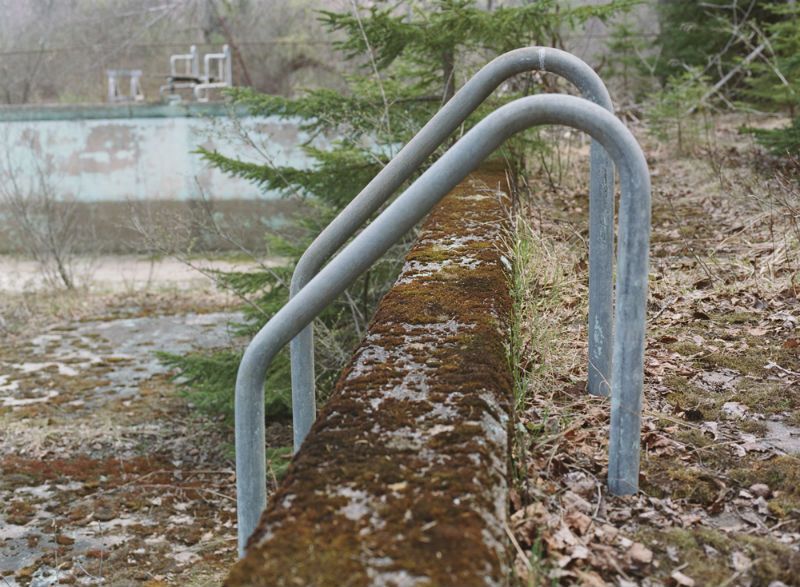
Lesser Lodge was a small resort on the outskirts of the Borscht Belt region near Livingston Manor in Sullivan Country. The lodge was constructed in 1923 and owned by Joseph and Sara Lesser. Lesser Lodge was a space for many events attended by Jewish New Yorkers and was a favorite spot for Bar Mitzvahs. The son of the owner, Alvin Lesser, wrote a book chronicling his time at the Lesser Lodge entitled “Memories of the Catskills: The Making of a Hotel.”
8. Nevele Grande Hotel
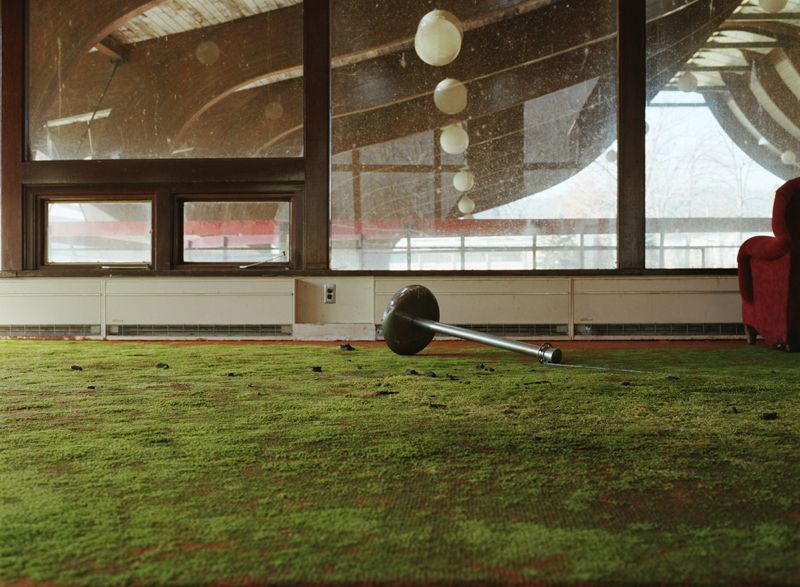
The Nevele Grand Hotel was a high-rise resort hotel in Ellenville, New York. The hotel first opened in 1901 and closed permanently in 2009. The resort was founded by Charles Slutsky, and the Slutsky family also operated the Fallsview Hotel which adjoined the Nevele Grande. The hotel was simply known as the “Nevele” until it was sold by the Slutsky family in 1997.
The Nevele Grand was well known for its impressive 18-hole golf course, which has since closed, as well as its catchy commercials with infectious jingles urging people to visit. Though the guests frequenting the resort were not as well known as those at Grossinger’s, the Nevele Grande did have one familiar face famously stay in the summer of 1966: President Lyndon B. Johnson, who was visiting the Catskills to dedicate a hospital in Ellenville.
The property is now owned by Somerset Partners, a development firm with plans to transform the site into a new hospitality destination, despite a series of fires that broke out from 2024 through early 2026 damaging the main tower and destroying the Winter Lodge Building.
7. The Vegetarian Hotel
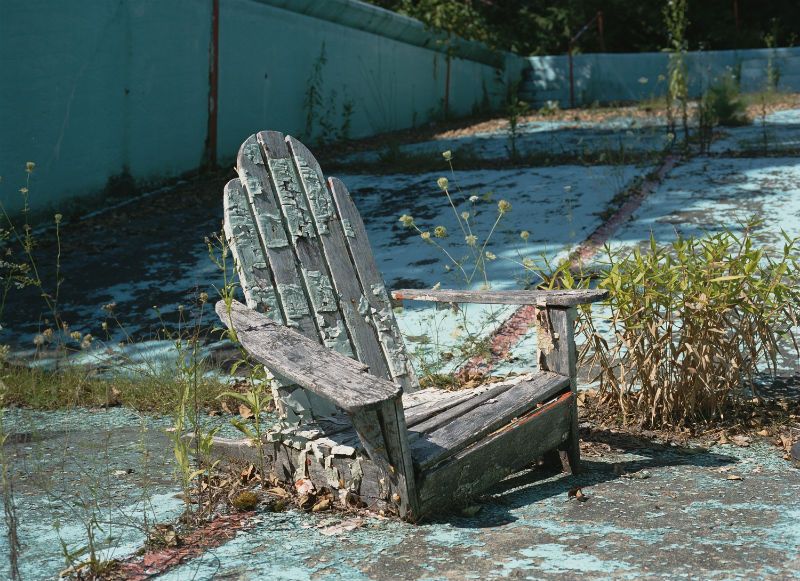
The Vegetarian Hotel in Woodridge, New York was, unsurprisingly, a hotel for those who wanted meatless alternatives. A postcard from the hotel reads “For health and pleasure. Enjoy wholesome meatless meals, health lectures, all sports, heated swimming pool, free boating, solarium, entertainment and band, folk dancing, luxurious accommodations. Special diet, spa-like atmosphere.”
The hotel was founded by Fannie Shafer, a Russian immigrant who relocated to the Catskills after her workplace burnt down in the Triangle Shirtwaist Fire, in the early 1900s. The hotel was thriving by the 1940s under her leadership and eventually the leadership of her son, Verb Konviser. The hotel closed down in the late 1980s. The hotel is noted on the Woodbridge historical marker.
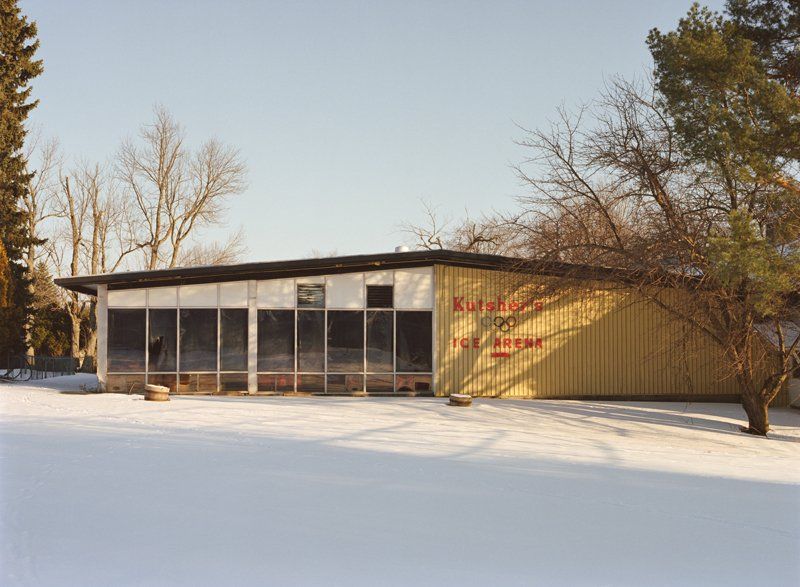
6. Kutsher’s Hotel and Country Club
Read the Full Story
This article is available to Supporter tier members and higher. Join for just $5/month to unlock 12,000+ stories about New York City.
Become a Supporter