


The East Village has a rich history, and the remnants that still persist from the different immigrant groups who made this Manhattan neighborhood their home help the area keep its cool amidst rapid development. In the earliest days, Dutch settlers dominated the East Village, while German immigrants moved into the neighborhood later on. Later, it was a hot spot for the mafia during the era Prohibition era. The East Village then saw its fair share of artists and beatnik poets, like Allen Ginsberg, Patti Smith and more.
Discover the secrets of the East Village that reveal the depth of the neighborhood’s history.
10. The Cooper Union Building in the East Village Was the First in the World to Have an Elevator Shaft
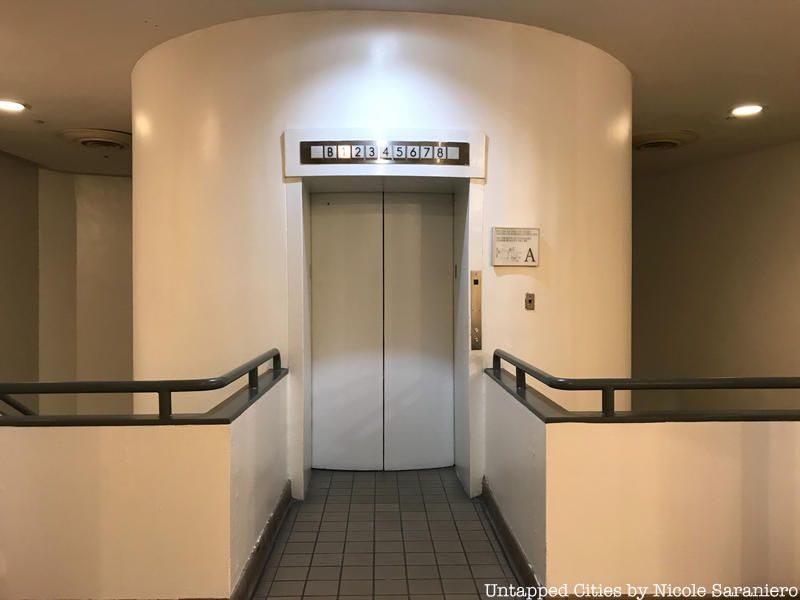
The Cooper Union for the Advancement of Science and Art was founded and established in 1859 by American Industrialist, Peter Cooper. Cooper believed that the elevator would be invented as the Cooper Union was being built, so he included an elevator shaft in the design of the building in 1853. Cooper said that if the passenger elevator had not been invented by the time the building was completed, he would build one himself. However, the modern elevator would not be invented until four years after the building was finished.
9. There is a Beach House on Top of an East Village Building
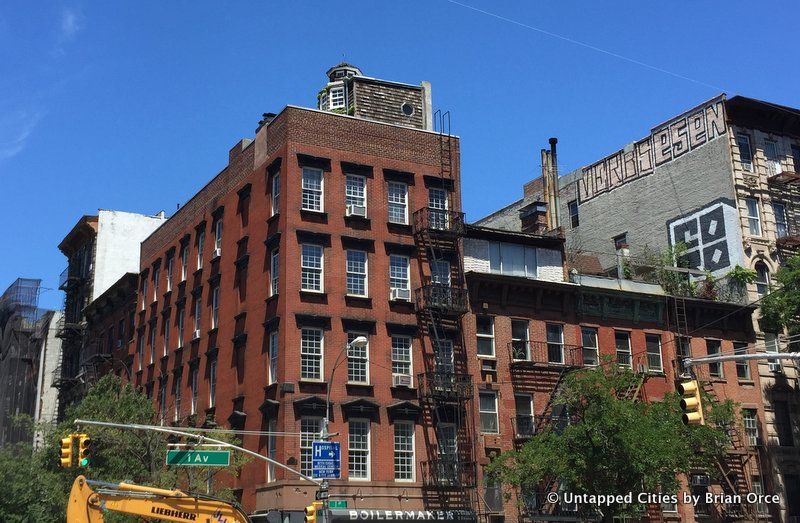
Passersby will encounter a strange sight while looking up at the intersection of East 1st Street and First Avenue: an East Coast beach house perched on top of a building. Though it is unknown how the rooftop beach house got there, there are other houses on top of apartment buildings in the East Village and around the city, like the cottage on the corner of 13th Street and Third Avenue. The interior of the building is fully furnished, equipped with three bedrooms and bathrooms, two fireplaces, and private terraces.
8. The Frank Lloyd Wright Towers in the East Village That Were Never Built
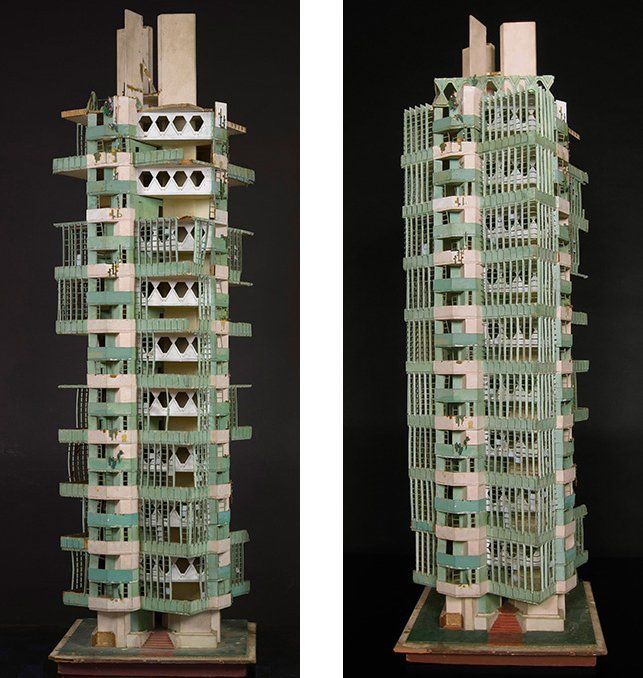
The first all-glass towers in New York City were the United Nations Building and the Lever House, both completed in 1952. However, these were not the first plans for all-glass towers in the city. In 1927, prolific architect Frank Lloyd Wright conceptualized three to four all-glass towers to be built at 11th Street and 2nd Avenue. Reverend William Norman Guthrie of St. Mark’s Church on-the-Bowery commissioned Wright to build the apartment towers to provide funds for the church’s maintenance. But Wright’s investors were apprehensive about his revolutionary design and refused to back the project.
7. Stuyvesant Street in the East Village is the Only True East-West Street in Manhattan
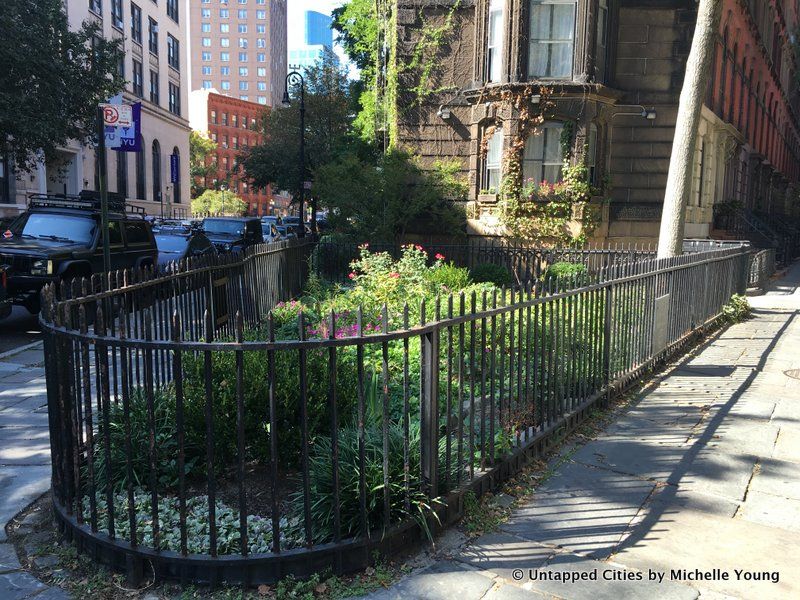
Stuyvesant Street, which crosses East 9th Street between Second and Third Avenues, breaks the traditional grid system for which Manhattan is known. Aside from Broadway, it is the only diagonal street in Manhattan north of 8th Street and south of Central Park. Stuyvesant Street was named after Peter “Petrus” Stuyvesant, the Dutch Director-General of New Amsterdam from 1647 to 1664 when it was ceded to the English and renamed “New York.”
During Stuyvesant’s lifetime, his family owned much of what is today known as the East Village. Stuyvesant’s grandson, Petrus Stuyvesant III created a grid system for New York that was aligned by magnetic north. Later on, the Commissioner’s Plan of 1811 laid out another grid plan for the city streets that was not as faithful to the compass as Petrus III’s plan. Stuyvesant Street, a narrow line that led from Bowery Road to Stuyvesant’s mansion remained because it was a well-trafficked road.
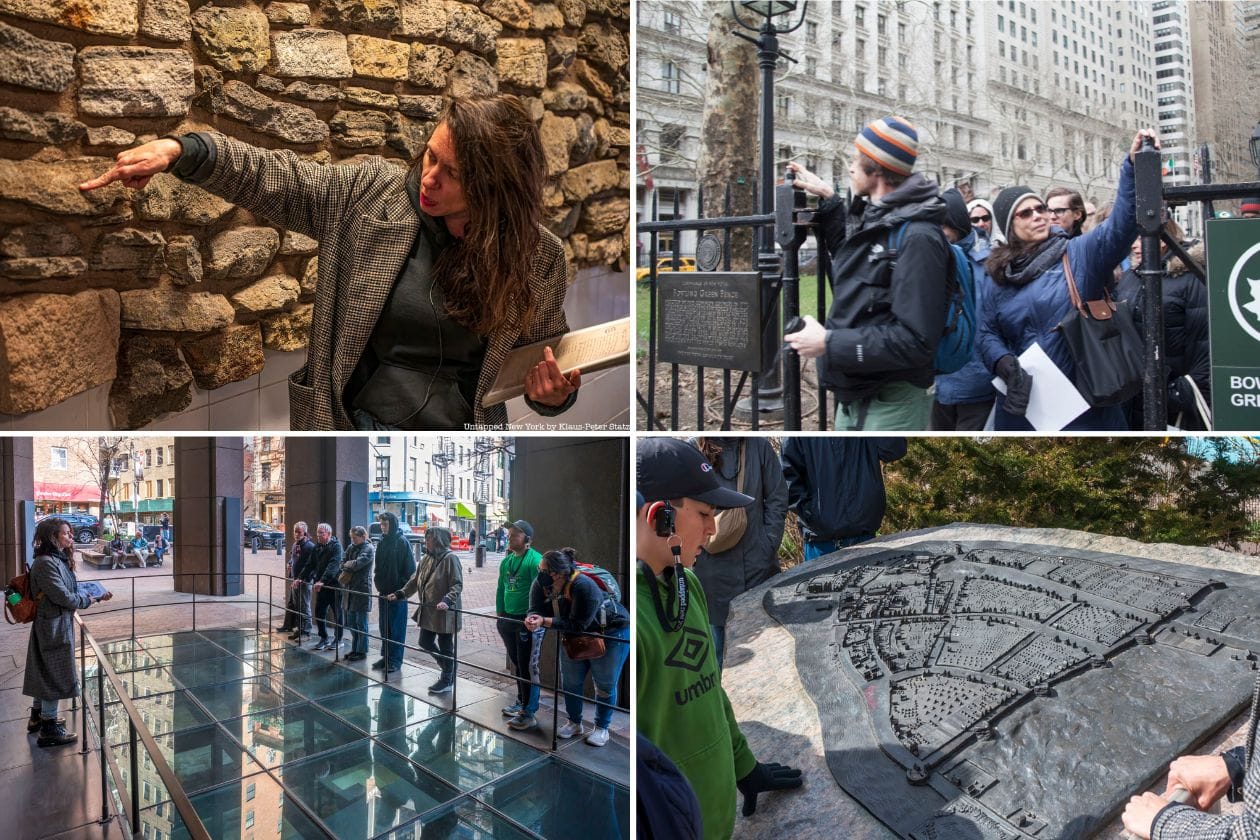
Remnants of Dutch New Amsterdam
Learn more about NYC's Dutch history as you trace the original street grid and physically touch remnants like an 18th-century wall and the Bowling Green Fence!
⭐ FREE for Untapped New York Insiders & Explorers. Members book here.
6. A Little Known Marble Cemetery Where President James Monroe Was Temporarily Buried
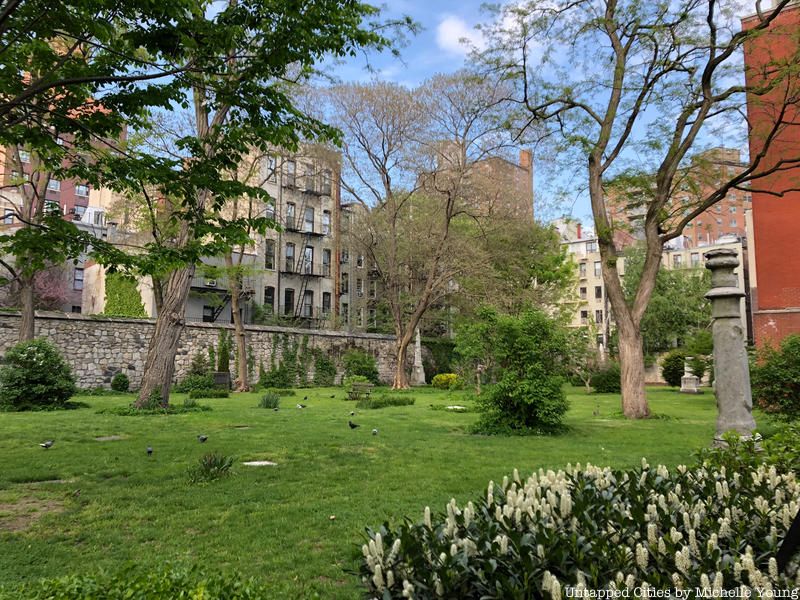
The New York Marble Cemetery, the oldest public nonsectarian cemetery was founded in 1830 in the East Village. In the 19th century, marble was used to prevent the spread of disease in the Second Avenue Cemetery, as it is also known. Because it’s only open in warm weather on certain weekend days of the year, it has remained fairly “untapped” over the years. According to the New York Marble Cemetery website, there were 2080 interments between 1830 and 1870. The last interment was in 1937.
In 1831, the 5th President of the United States, James Monroe, was buried at the Marble Cemetery, before ultimately being laid to rest in Hollywood Cemetery in Richmond, Virginia.
5. A Nondescript Building Conceals One of East Village’s Hidden Gems
Read the Full Story
This article is available to Supporter tier members and higher. Join for just $5/month to unlock 12,000+ stories about New York City.
Become a Supporter